
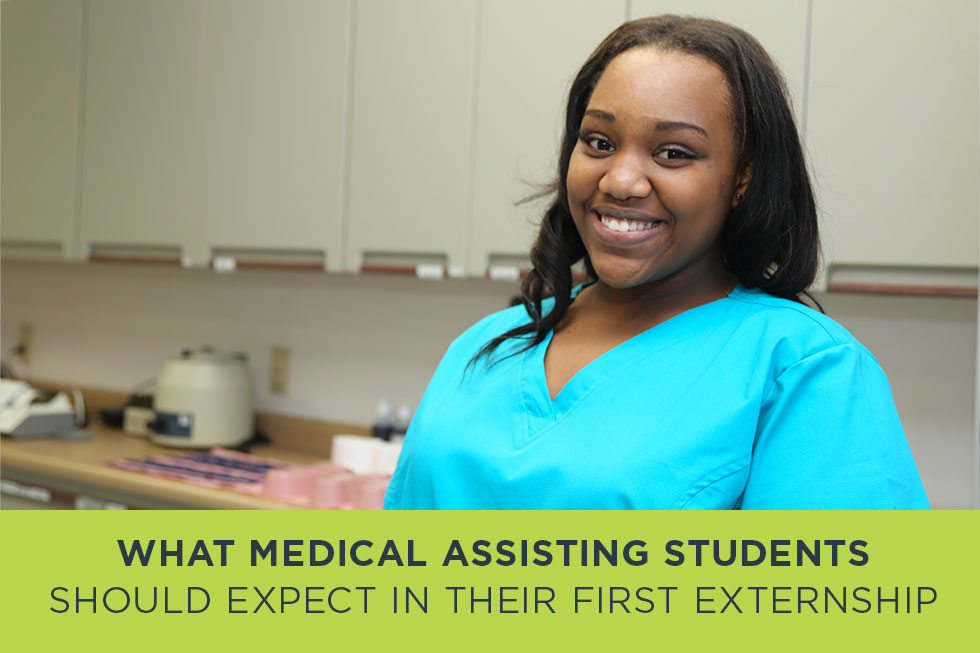
As you move through your clinical training at MedQuest College, the transition from the classroom to the real world is an exciting milestone. Many students find themselves asking, what Medical Assisting students should expect in their first externship? This final phase of your program is designed to provide the opportunity to apply your classroom knowledge in a professional healthcare setting, bridging the gap between being a student and preparing to become a professional.
The Purpose of the Medical Assisting Externship
The externship is a core component of the Medical Assisting curriculum. It is intended to help students develop the clinical and administrative proficiency used in modern medical offices. Rather than just observing, you will be placed in a real-world environment, such as a primary care clinic, a specialist’s office, or an urgent care center, to practice the skills you’ve learned under the supervision of experienced medical professionals.
Clinical Responsibilities: Applying Your Training
The hands-on clinical experience is usually the highlight. Depending on your specific site placement, you may have the opportunity to participate in:
- Patient Intake: Learning to accurately record vital signs and document patient histories in Electronic Health Records (EHR).
- Clinical Support: Assisting healthcare providers with minor surgical procedures or routine examinations.
- Specimen Collection: Practicing proper phlebotomy techniques and laboratory safety protocols for processing blood or urine samples.
- Patient Education: Communicating post-treatment instructions clearly and professionally.
Administrative Foundations
Medical Assistants are the “engine” of the medical office, and your externship will likely include administrative tasks that keep the facility running smoothly. You should expect to see how scheduling, medical billing, and insurance verification work in a high-volume setting. Understanding these workflows is essential for anyone entering an entry-level role in healthcare administration.
Professionalism and Soft Skills
A major part of what Medical Assisting students should expect in their first externship involves “soft skills.” This is where you refine your bedside manner and learn to navigate the fast-paced medical environment.
- Time Management: Learning to prioritize tasks during busy clinic hours.
- Adaptability: Adjusting to the specific preferences and protocols of your supervising physicians.
- HIPAA Compliance: Practicing the strict confidentiality standards required to protect patient data.
What Clinical Sites Look for in Students
Externship sites are not expecting perfection. They understand you are still learning.
What they do value:
- Professional communication with patients and staff.
- Attention to detail when documenting information.
- Respect for privacy and patient confidentiality.
- The ability to take feedback and improve quickly.
Externship is where classroom knowledge begins to translate into workplace confidence.
Turning Experience Into Opportunity
Your externship is designed to help you move from learning skills to applying them confidently in a professional setting.
While you are still under supervision, this is your chance to:
- Demonstrate reliability and professionalism.
- Strengthen both clinical and administrative abilities.
- Build relationships within the healthcare community.
- Gain real world references for future job searches.
Many students describe externship as the moment everything “clicks.” Procedures feel more natural. Communication becomes more confident. The role begins to feel real.
Frequently Asked Questions (FAQ)
Q: Do I get to choose my own externship site?
A: At MedQuest College, each program Externship Coordinator works closely with you to identify an available site within our network of local healthcare partners. While we consider your interests and location, final placements are designed to ensure you receive a comprehensive experience that aligns with our program’s clinical requirements.
Q: Is the Medical Assisting externship a paid position?
A: No. The externship is a formal, unpaid clinical course required for graduation. It is intended to be an educational experience where the “payment” is the real-world skills and professional references you develop during your hours on site.
Q: What should I wear to my externship?
A: You are expected to maintain a professional appearance that reflects MedQuest’s standards and the specific requirements of your site. Typically, this includes clean, approved scrubs, closed-toe clinical shoes, and your student ID badge.
Q: Can I fail an externship?
A: The externship is a graded component of your program. Success is based on your attendance, professionalism, and your ability to demonstrate the clinical proficiencies outlined in your course syllabus. Your site supervisor will provide evaluations to ensure you are meeting the foundational standards of the role.
Q: Does an externship guarantee a job offer at that location?
A: While an externship provides an opportunity to network with potential employers, it is not a guarantee of future employment. The primary goal is to provide the training intended to help you prepare for entry-level roles across the broader healthcare field.
Q: Will I be performing procedures by myself?
A: For patient safety and your own protection, all clinical tasks, from taking vitals to performing blood draws, are supervised by an onsite preceptor. However, there may be small tasks that are permitted to be done without direct supervision.
Ready to Start Your Clinical Journey?
Now that you know what a Medical Assisting student should expect in their first externship, schedule a campus tour today at either one of our campuses! An externship is more than just a course requirement; it is your first true look into your future as a healthcare professional. It is the moment where theory becomes practice and students become practitioners.